Catherine Blanch
Wheelchair access
Pipers from Maitland Pipes and Drums 10am Saturday
34 Regent St, Maitland
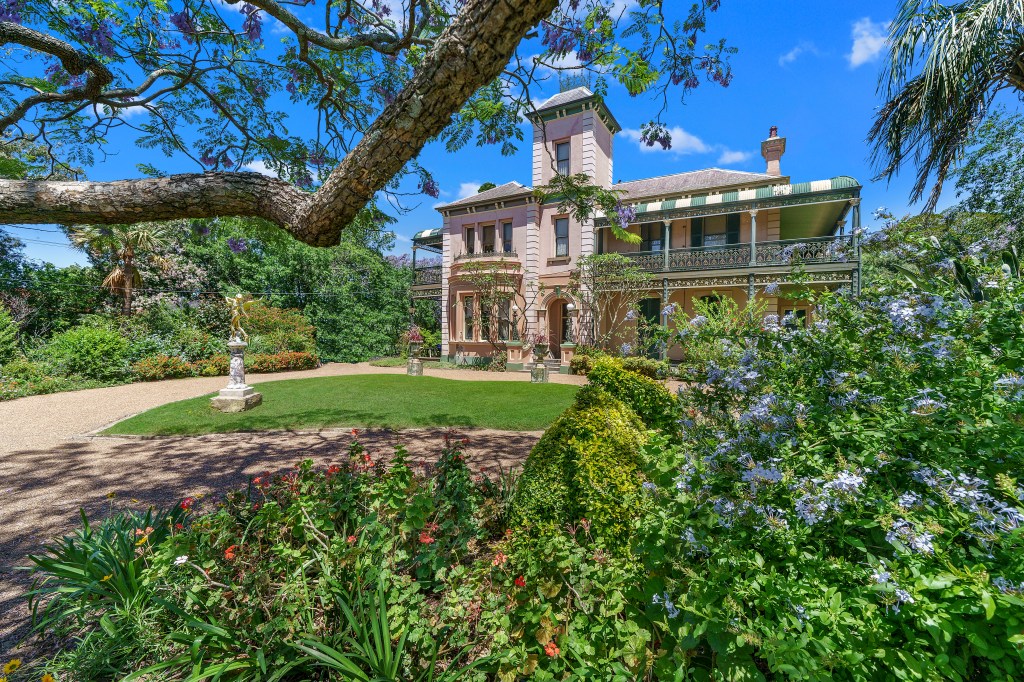
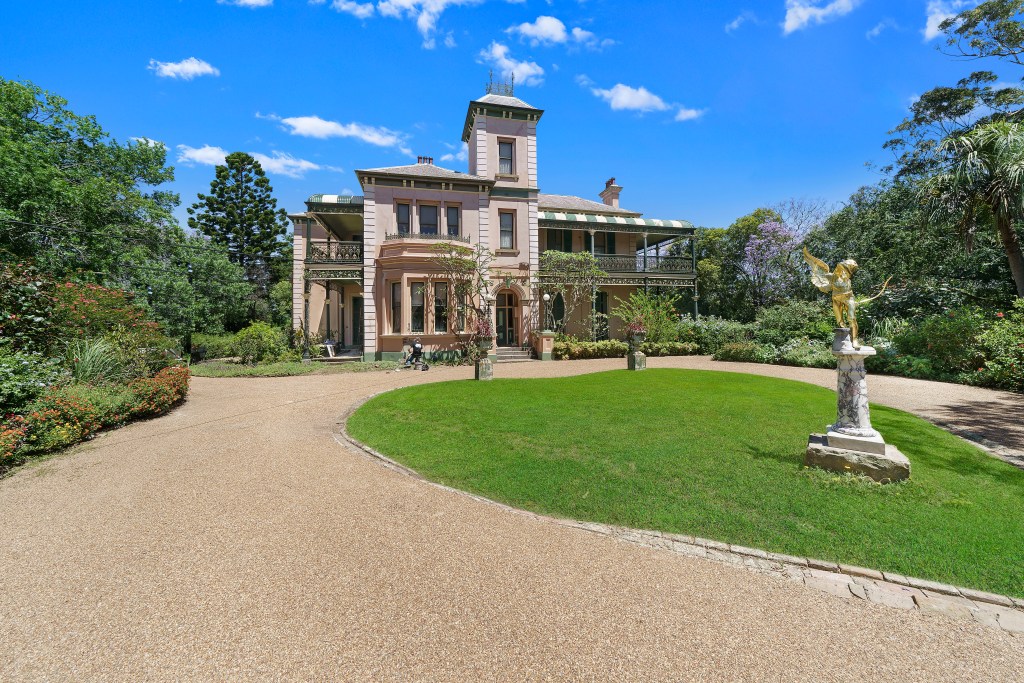
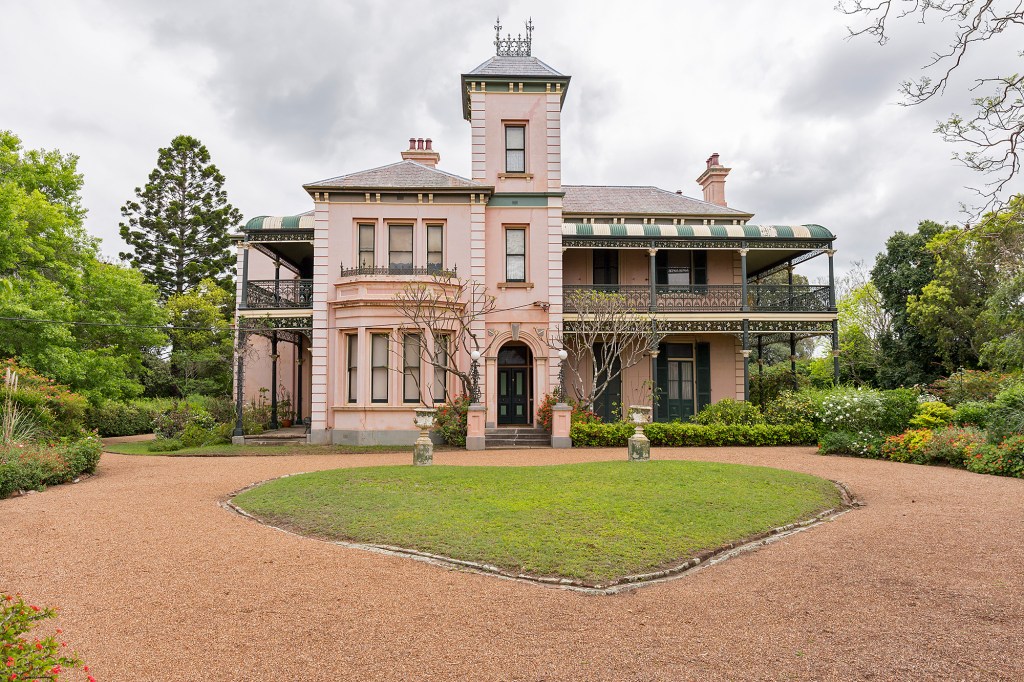
Cintra House is a heritage-listed residence and one-time private hospital at 34 Regent Street, Maitland, in the Hunter Region of New South Wales, Australia. It was designed by John Wiltshire Pender with a garden by Sydney landscape architect R. Culbert. It was built from 1879 by Robert James with an 1887 extension by H. Noad. It is also known as Cintra. It was added to the New South Wales State Heritage Register on 31 August 2012.
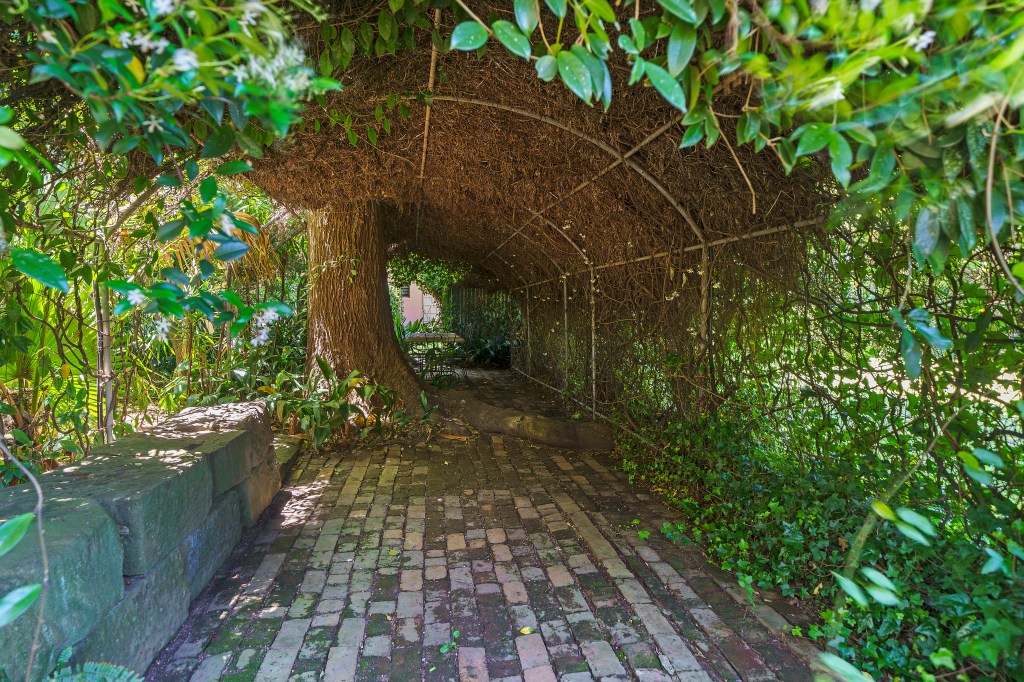
Cintra has retained its original driveways, garden, stables and coach house.
The formal late nineteenth century town/ villa garden is entered through the original wrought iron carriage and pedestrian gates hung on moulded sandstone posts at the front of the property. The gates lead onto the brick edged heart shaped lawn which surrounds a carriage loop. The lawn in the centre of the loop is adorned with a pair of terracotta urns on pedestals, by the Sydney potter Thomas Field. Two tall elaborate iron light standards flank the stone steps to the house.
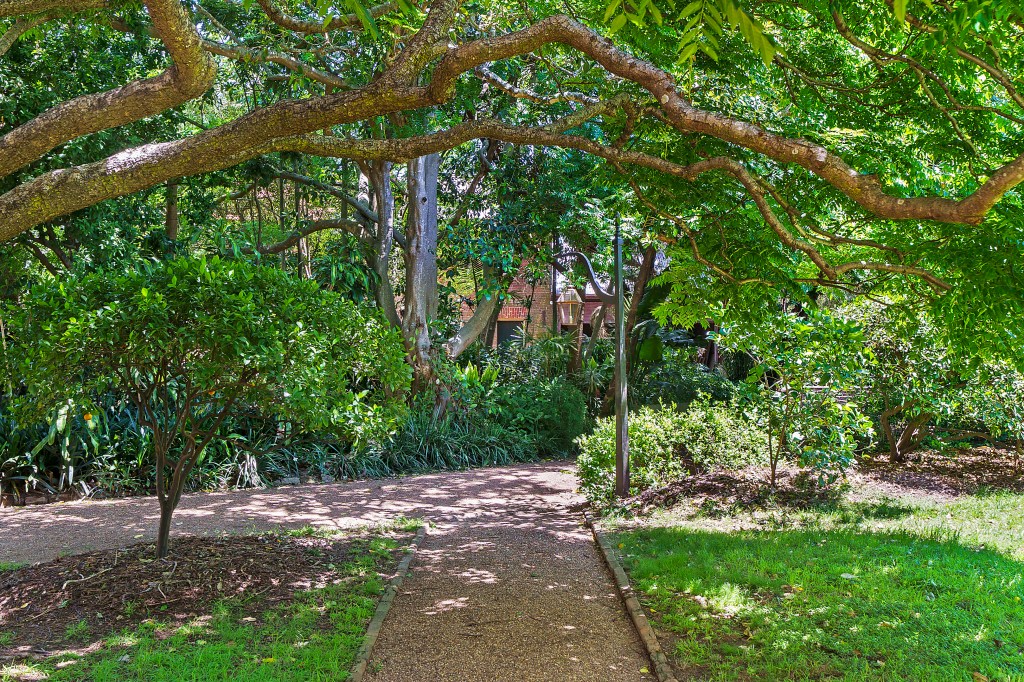
A gravelled drive continues from the loop, around the house to allow carriage access to the coach house at the rear. The drive is lined with hedges of may bush (Spiraea sp.), Cape plumbago (P.capensis), olive (Olea europaea), Wisteria sp. and leads to random built stone walls delineating the service area.
Formal lawns and pathways border the house. To each side of the carriage loop are irregularly curving beds, which still contain the descendants and original palms and bird-of-paradise-flowers (Strelitzia sp.), along with other plantings including shrubs and perennials popular in the Victorian age.
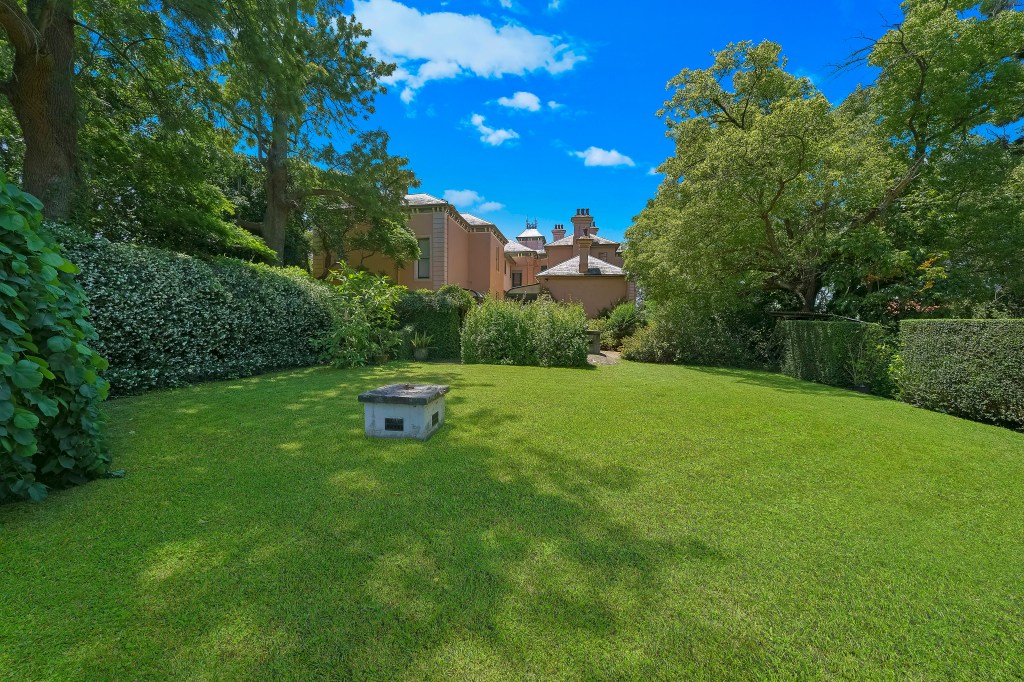
A brick edged path runs parallel to the northern eastern boundary fence, separated by a border of shrubs. The brick edging was originally tiles, fragments of which remain beneath the ground. To the north of the house another open rectangular lawn, originally described as being for croquet and bowls, has two very large elaborate cast and wrought iron flower jardinieres along the path on the eastern end. After the First World War a tennis court was constructed on the northern lawn, but has since been removed to reinstate the original lawn.
To the south and west (rear) of the house although there are some mature trees there is modest landscaping. Araucarias originally bordered the Regent Street entrance. Throughout Cintra’s grounds are significant mature Bunya Bunya (Araucaria bidwillii), hoop pine (Araucaria cunninghamii), Cape chestnut (Calodendrum capense), lemon scented gums (Corymbia citriodora), jacarandas (Jacaranda mimosifolia), Canary Island pine (Pinus canariensis), Brazilian pepper trees (Schinus molle var.areira), small leafed figs (Ficus sp.) and Moreton Bay figs (Ficus macrophylla).
A summer house, now demolished, overlooked the lawn from the west. The property also contains a coach house and stables building along the rear boundary and two other garden sheds between the rear boundary and the house.